

Class IV vs Class III Laser Therapy: Understanding Laser Therapy Pain Relief and Safety for Effective Treatment

Laser therapy has emerged as a treatment option for pain management, offering non-invasive solutions for various conditions. This article delves into the differences between Class IV and Class III laser therapy, focusing on their effectiveness, safety, and clinical applications. Readers will learn about the mechanisms behind these therapies, the benefits they provide, and how to choose the right option for their needs. As many individuals seek effective pain relief solutions, understanding the nuances of laser therapy can empower them to make informed decisions. We will explore key differences, clinical benefits, safety standards, and the recommendations from Body Fix Chiropractic regarding laser therapy options.
What Are the Key Differences Between Class IV and Class III Laser Therapy?
Comparison of Class IV and Class III laser therapy devices highlighting power and penetration differences
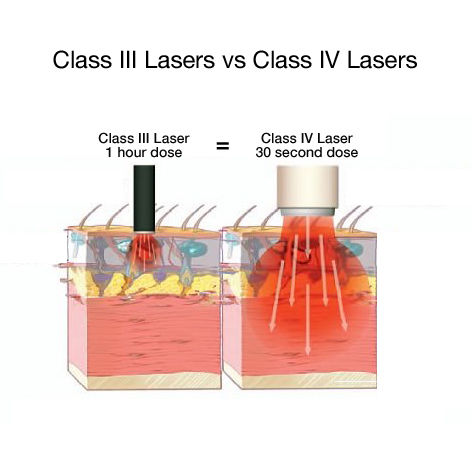
Class IV and Class III laser therapies differ significantly in their technical specifications and applications. Class IV lasers operate at higher power outputs, typically exceeding 500 mW, allowing for deeper tissue penetration and more effective treatment of chronic pain conditions. In contrast, Class III lasers, which operate below 500 mW, are often used for superficial tissue treatments and have limited penetration depth.
How Do Wavelength and Power Output Affect Laser Therapy Effectiveness?
The effectiveness of laser therapy is heavily influenced by both wavelength and power output. Class IV lasers utilize wavelengths that penetrate deeper into tissues, enhancing their ability to stimulate cellular processes involved in healing. Higher power outputs also reduce treatment times, making them more efficient for patients. Conversely, Class III lasers, while effective for certain conditions, may require longer treatment sessions due to their lower power and limited penetration capabilities.
What Are the Penetration Depths of Class IV vs Class III Lasers?
Penetration depth is a critical factor in determining the effectiveness of laser therapy. Class IV lasers can penetrate up to approximately 4-5 cm into the tissue, making them suitable for treating deeper musculoskeletal issues. In contrast, Class III lasers typically penetrate around 1-2 cm, which limits their use to surface-level conditions. This difference in penetration depth has significant clinical implications, particularly for patients with chronic pain or deeper tissue injuries.
What Are the Clinical Benefits of Class IV Laser Therapy for Pain Management?
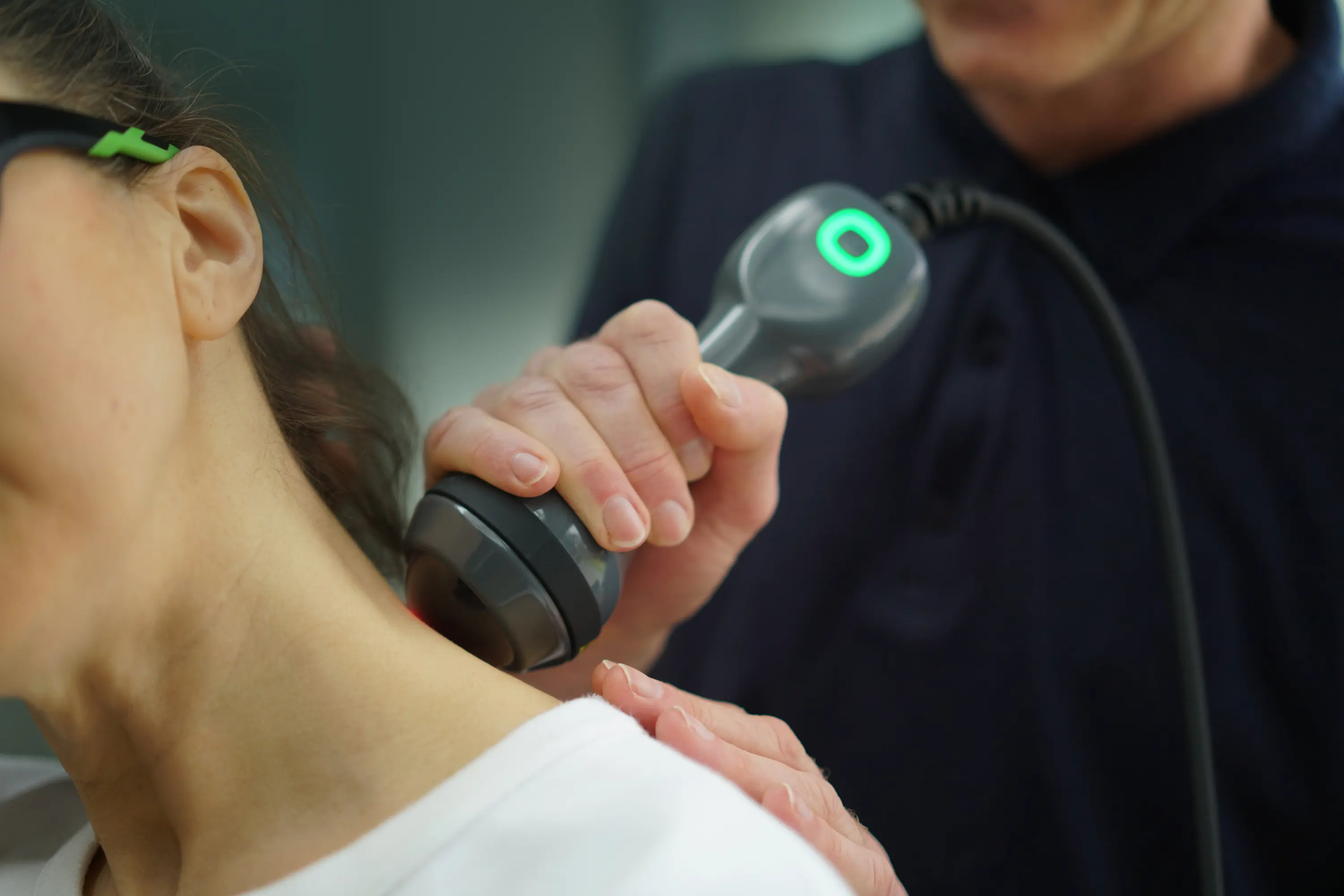
Patient experiencing pain relief during Class IV laser therapy session, highlighting therapeutic benefits
Class IV laser therapy offers numerous clinical benefits for pain management, making it a preferred choice for many practitioners. The therapy is known for its ability to accelerate healing, reduce inflammation, and provide effective pain relief for various conditions.
How Does Class IV Laser Therapy Accelerate Healing and Reduce Inflammation?
Class IV laser therapy accelerates healing by stimulating cellular repair mechanisms and promoting increased blood flow to the affected area. This enhanced circulation delivers essential nutrients and oxygen, facilitating faster recovery. Additionally, the therapy reduces inflammation by modulating the inflammatory response, which is crucial for alleviating pain and promoting healing.
What Conditions Benefit Most from Class IV Laser Therapy?
Class IV laser therapy is particularly effective for a range of conditions, including:
Chronic Pain: Conditions such as arthritis and fibromyalgia benefit from the anti-inflammatory effects of laser therapy.
Musculoskeletal Injuries: Sports injuries, tendonitis, and sprains respond well to the deep tissue penetration of Class IV lasers.
Post-Surgical Recovery: Patients recovering from surgery can experience reduced pain and faster healing times with laser therapy.
Body Fix Chiropractic emphasizes the importance of personalized treatment plans that incorporate Class IV laser therapy for optimal patient outcomes.
How Safe Is Laser Therapy: Comparing Safety Standards of Class IV and Class III Lasers
Safety is a paramount concern when considering laser therapy. Both Class IV and Class III lasers have established safety guidelines, but their application and potential risks differ.
What Are the Safety Guidelines and Contraindications for Laser Therapy?
Safety guidelines for laser therapy include ensuring proper eye protection for both the patient and practitioner, as well as adhering to recommended treatment protocols. Contraindications may include pregnancy, active cancer in the treatment area, and certain skin conditions. It is essential for practitioners to conduct thorough assessments before initiating treatment.
Are There Side Effects Associated with Class IV Laser Therapy?
While Class IV laser therapy is generally safe, some patients may experience mild side effects such as temporary redness or swelling at the treatment site. These effects are typically short-lived and resolve quickly. Research indicates that serious side effects are rare, making Class IV laser therapy a safe option for pain management.
Why Does Body Fix Chiropractic Recommend Class IV Laser Therapy Over Class III?
Body Fix Chiropractic advocates for Class IV laser therapy due to its superior effectiveness in pain relief and healing acceleration. The clinic integrates advanced laser technology into its treatment protocols, ensuring patients receive the best possible care.
How Does Body Fix Chiropractic Integrate Advanced Laser Technology in Pain Management?
At Body Fix Chiropractic, advanced laser technology is seamlessly integrated into treatment plans. Practitioners utilize Class IV lasers to target specific areas of pain, combining this therapy with chiropractic adjustments for comprehensive care. This holistic approach enhances patient outcomes and promotes faster recovery.
What Do Patient Testimonials Reveal About Class IV Laser Therapy Outcomes?
Patient testimonials highlight the positive impact of Class IV laser therapy on pain management. Many individuals report significant reductions in pain levels and improved mobility following treatment. These success stories underscore the effectiveness of laser therapy as a valuable tool in pain management.
How to Choose the Right Laser Therapy for Your Condition?
Selecting the appropriate laser therapy involves considering various factors, including the type of condition, severity of symptoms, and treatment goals.
What Factors Should Influence Your Laser Therapy Selection?
When choosing laser therapy, consider the following factors:
Condition Type: Different conditions may respond better to specific laser classes.
Severity of Symptoms: More severe or chronic conditions may require the deeper penetration offered by Class IV lasers.
Treatment Goals: Determine whether the focus is on pain relief, healing acceleration, or both.
How Do Treatment Duration and Recovery Times Differ Between Laser Classes?
Treatment duration and recovery times can vary significantly between Class IV and Class III lasers. Class IV treatments are generally shorter due to their higher power output, often requiring only minutes per session. Recovery times are also typically shorter, with many patients experiencing immediate relief and improved function.
What Does Recent Clinical Evidence Say About Class IV Laser Therapy Efficacy?
Recent clinical studies have provided valuable insights into the efficacy of Class IV laser therapy, reinforcing its role in modern pain management.
Which 2024-2026 Studies Support Class IV Laser Therapy Benefits?
Emerging research from 2024 onwards indicates that Class IV laser therapy significantly reduces pain and inflammation in various conditions. Studies demonstrate its effectiveness in treating chronic pain, sports injuries, and post-surgical recovery, highlighting its potential as a first-line treatment option.
